3 Viral Reel Hooks Wedding Vendors Need to try in May 2026 (And Why They Work)
Double-click to edit...
In May 2026, the wedding vendors winning on Reels aren't the ones with the biggest budgets or the most polished feeds, they're the ones who understand identity-driven hooks.
This article breaks down three viral reel formats currently dominating wedding content: the Identity Qualifier Hook, the Cultural Signifier Hook, and the Reassurance Hook.
We analyse the psychology behind each one, explain why they work on today's Gen Z and Millennial couples, and give you a step-by-step framework for adapting them to your own brand, whether you're a photographer, planner, florist, or videographer.
If you want to attract high-spending couples in 2026, this is where your content strategy starts.
Why Most Wedding Vendor Content Fails Before the First Second Is Over
Most wedding vendor content on Reels opens with one of three things: a slow pan across a beautifully styled table, a voiceover that begins with "as a wedding photographer..." or a caption that says "swipe to see the full gallery."
And all three are invisible.
Not because the work isn't beautiful. The work is often extraordinary. But because the hook that determines whether someone stops scrolling or keeps going is doing nothing. It's not speaking to anyone specifically. It's not triggering an emotion. It's not making a single viewer feel seen, called out, or curious.
The vendors who are growing right now are the ones booking premium clients from organic content alone have figured out something that the wider marketing world has known for decades: the hook is not about you. It's about them.
Specifically, it's about making your ideal client feel, in the first two seconds, that this content was made for them and only them.
That is Brand Match - the moment a viewer's identity and your content collide so precisely that stopping to watch feels involuntary.
This month, three hook formats are doing that better than anything else in the wedding space. Here's exactly what they are, why they work, and how to use them.
The Hook Breakdown: Three Formats Dominating Wedding Reels Right Now
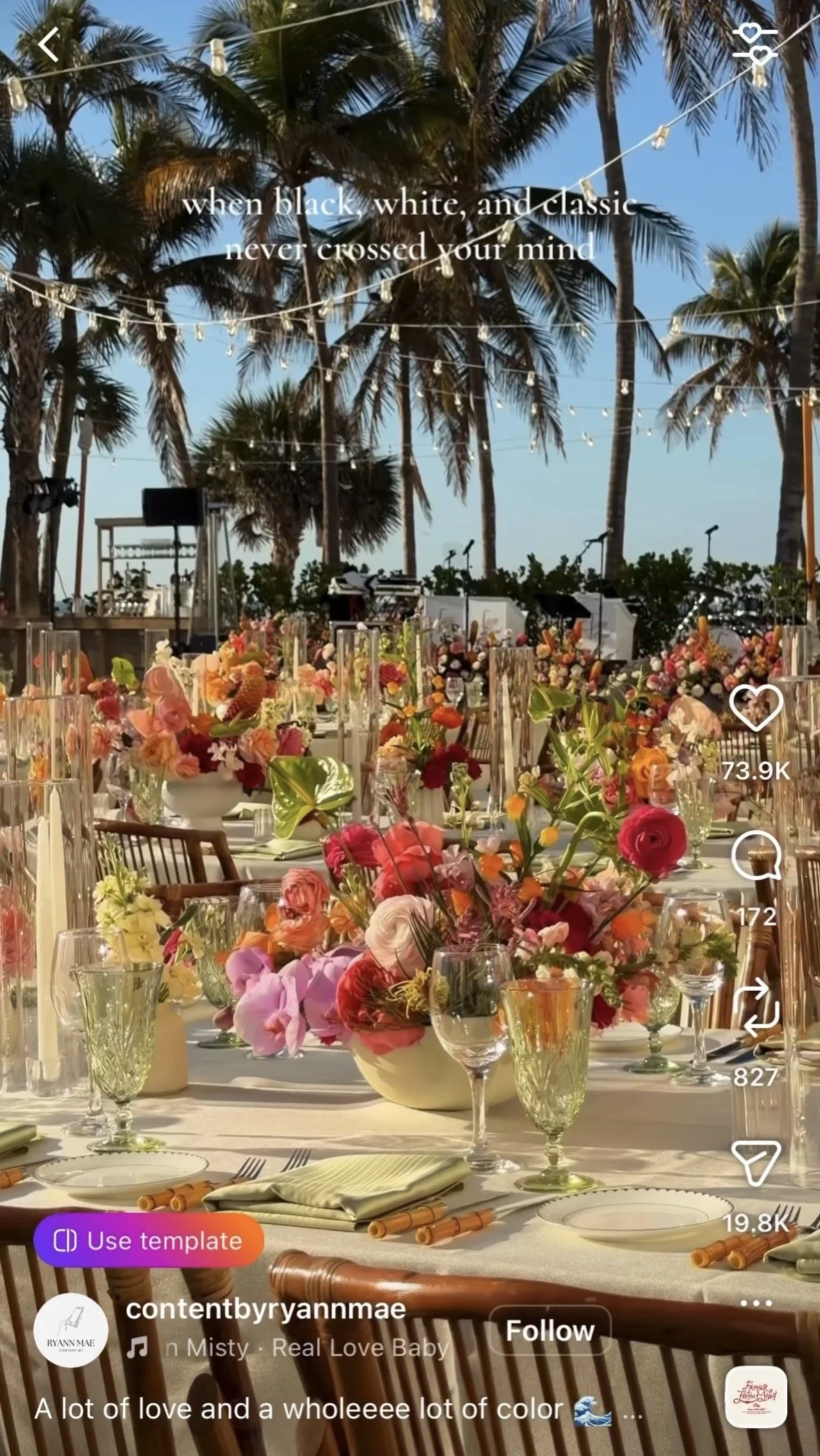
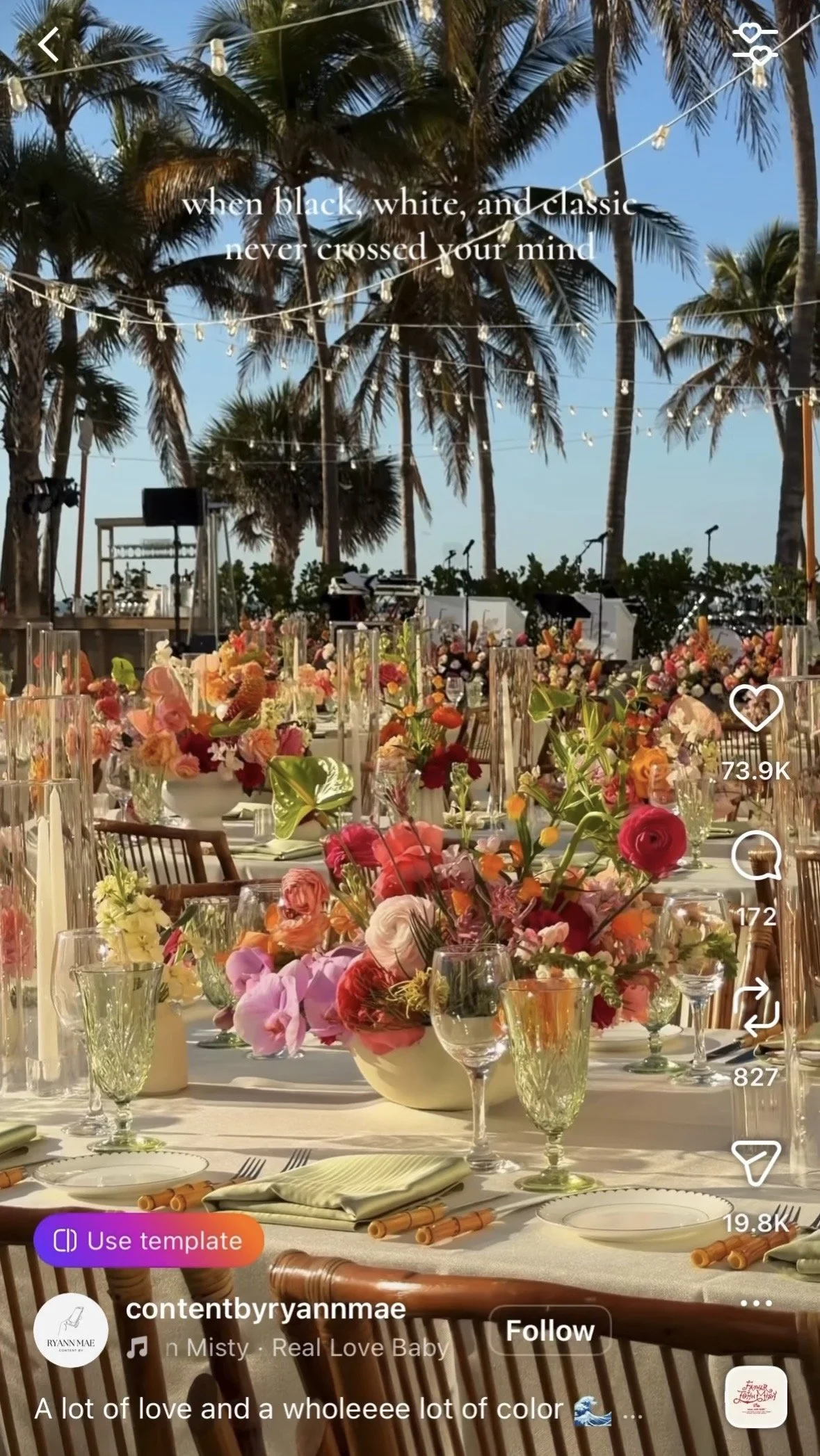
Hook #1: The Identity Qualifier — "When black and white and classic never crossed your mind"
The format: A vibrant, colourful wedding video. Bold, joyful, maximalist. Over it, a single line of text: "When black and white and classic never crossed your mind." @contentbyryannmae
Why it works — the psychology of exclusion as inclusion
This is what we call a Qualifier Hook — and it is one of the most powerful tools in social content precisely because it does something counterintuitive. It excludes people. Deliberately.
The moment a viewer reads "when black and white and classic never crossed your mind," one of two things happens. Either they think "that's not me" and scroll on which is exactly what you want, because that person was never your client. Or they think "oh my god, that is so me" and they stop. They lean in.
They feel, in a single sentence, that someone on the internet has seen them.
This is Micro-Emotion in action.
Not a big sweeping feeling, but a tiny, precise flicker of recognition that happens before the conscious brain has time to process it. Neuroscience tells us that this kind of identity recognition triggers the same neural reward pathways as social validation. It feels good to be seen. And when your content makes someone feel seen, they associate that feeling with your brand.
The other thing this hook does brilliantly is Visual Trust. The text and the footage are in complete alignment. The words say "colourful and joyful" and the video shows colourful and joyful. There is no gap between the promise and the delivery. That consistency, however subtle, builds instant credibility.
How to adapt this for your business:
Replace the identity descriptor with a precise, specific version of your ideal client's self-image. The more specific, the better. Vague qualifiers ("when you're not a traditional bride") do half the work of specific ones ("when you knew from day one you weren't doing a sit-down dinner for 200 people").
Some examples by category:
Photographer: "When editorial and moody was the brief from the very beginning."
Planner: "When you opened Pinterest and immediately closed it because none of it looked like you."
Florist: "When your mum suggested white roses and you very politely said absolutely not."
Venue: "When a hotel ballroom never once entered your mind."
The formula is always the same: name the thing your ideal client rejected — because what we reject defines us as much as what we choose. You're not describing your service. You're describing their identity. And identity is the most powerful hook there is.
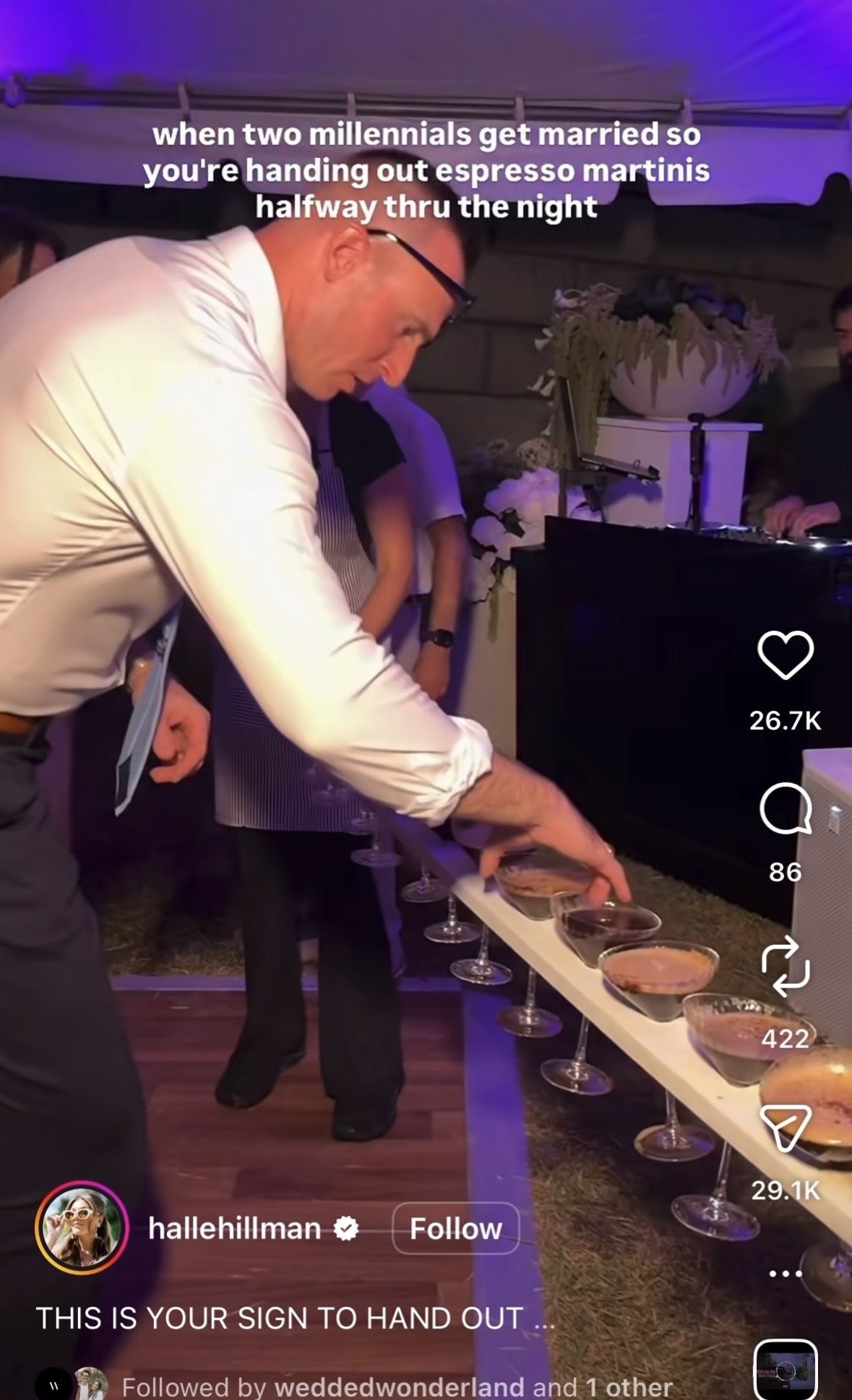
Hook #2: The Cultural Signifier — "When two millennials get married so you're handing out espresso martinis halfway through the night"
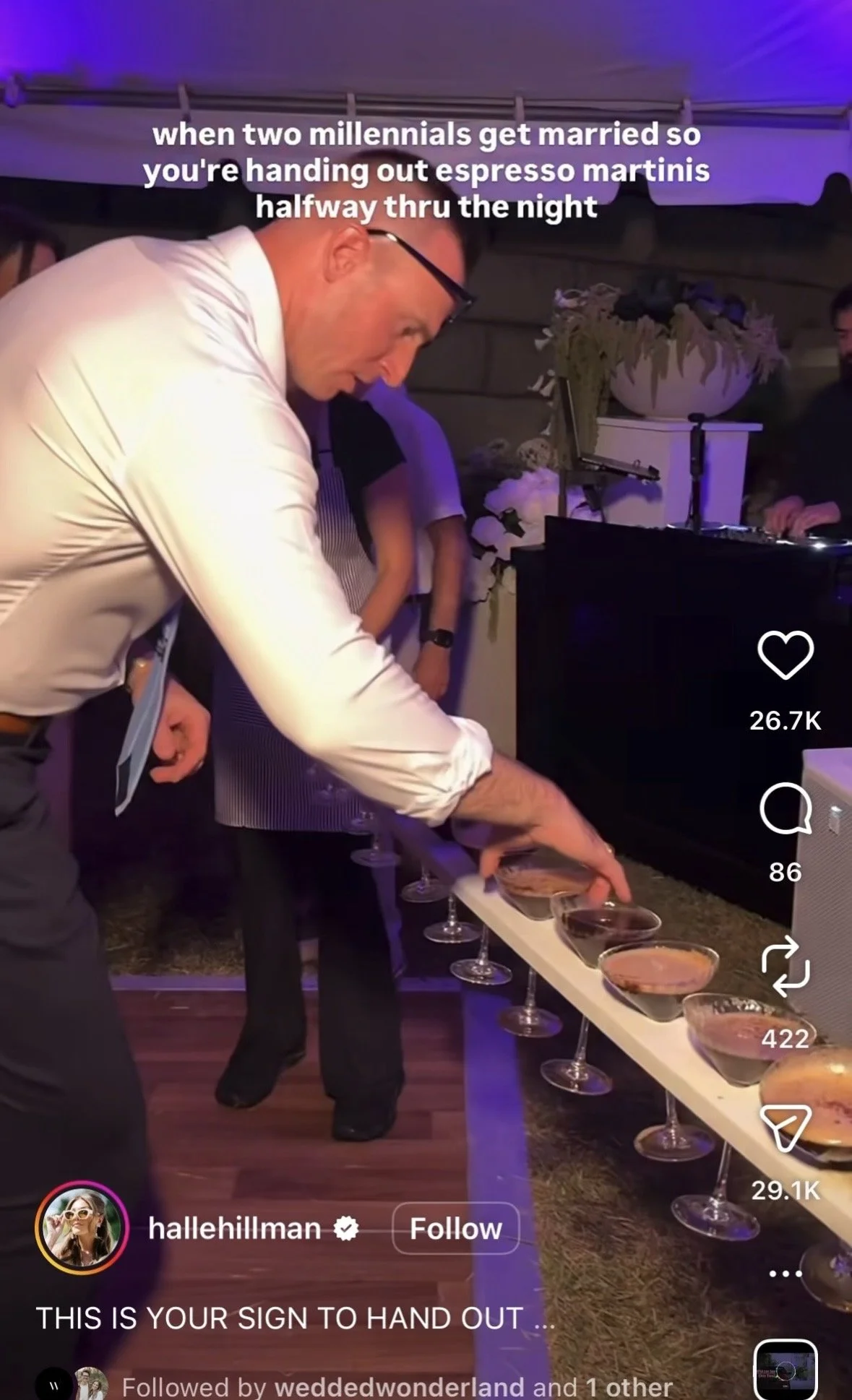
The format: A fun, candid clip of a couple at their reception — he's got sunglasses pushed up on his head, they're handing out espresso martinis, the energy is loose and joyful. The hook: "When two millennials get married so you're handing out espresso martinis halfway through the night." @hallehillman
Why it works — the power of the cultural shortcut
The espresso martini is not a drink here. It is a generational symbol. Anyone who grew up millennial knows exactly what that drink represents — the 2am order, the "one more round," the specific energy of a generation that refuses to let a good night end before it's ready.
Using it in a hook is a Cultural Signifier: a single, precise cultural reference that does the work of a paragraph of description in three words.
This hook works because it creates instant community. The viewer doesn't just recognise the drink — they recognise the feeling behind it. And the moment they recognise that feeling, they have already self-selected as your ideal client. You haven't told them anything about your service. You've just made them feel understood.
This is the "Raw/Documentary" shift we're seeing dominate premium wedding content in 2026. Couples — particularly Millennials and older Gen Z — are exhausted by the performance of perfection. They have spent years watching hyper-curated wedding content that looks beautiful and feels completely hollow. What they want now is content that reflects how their wedding actually felt. Chaotic. Funny. Specific. Theirs.
The vendors who understand this are leading with the feeling first and the portfolio second. Because Visual Trust in 2026 is not built by showing flawless work, it's built by showing that you understand who your clients actually are.
How to adapt this for your business:
Think about the specific, slightly-niche cultural moments that your ideal clients share. Not broad generational references ("millennials love brunch") but precise, specific ones that feel like an inside joke to your exact audience.
Photographer: "When the couple's first dance request is a deep Spotify cut that nobody else at the wedding has heard."
Planner: "When the welcome drinks order is natural wine only and the playlist is 100% vinyl."
Videographer: "When the couple's film references are Luca Guadagnino and early Wong Kar-wai and you absolutely love them for it."
Florist: "When the brief says 'garden picked that morning' and 'slightly chaotic' and you immediately know this is going to be the best job of the season."
The test for a great Cultural Signifier hook is this: would someone who isn't your ideal client not quite understand it? If yes, you've got it right. Exclusivity of reference is the point. It's the velvet rope of content strategy.
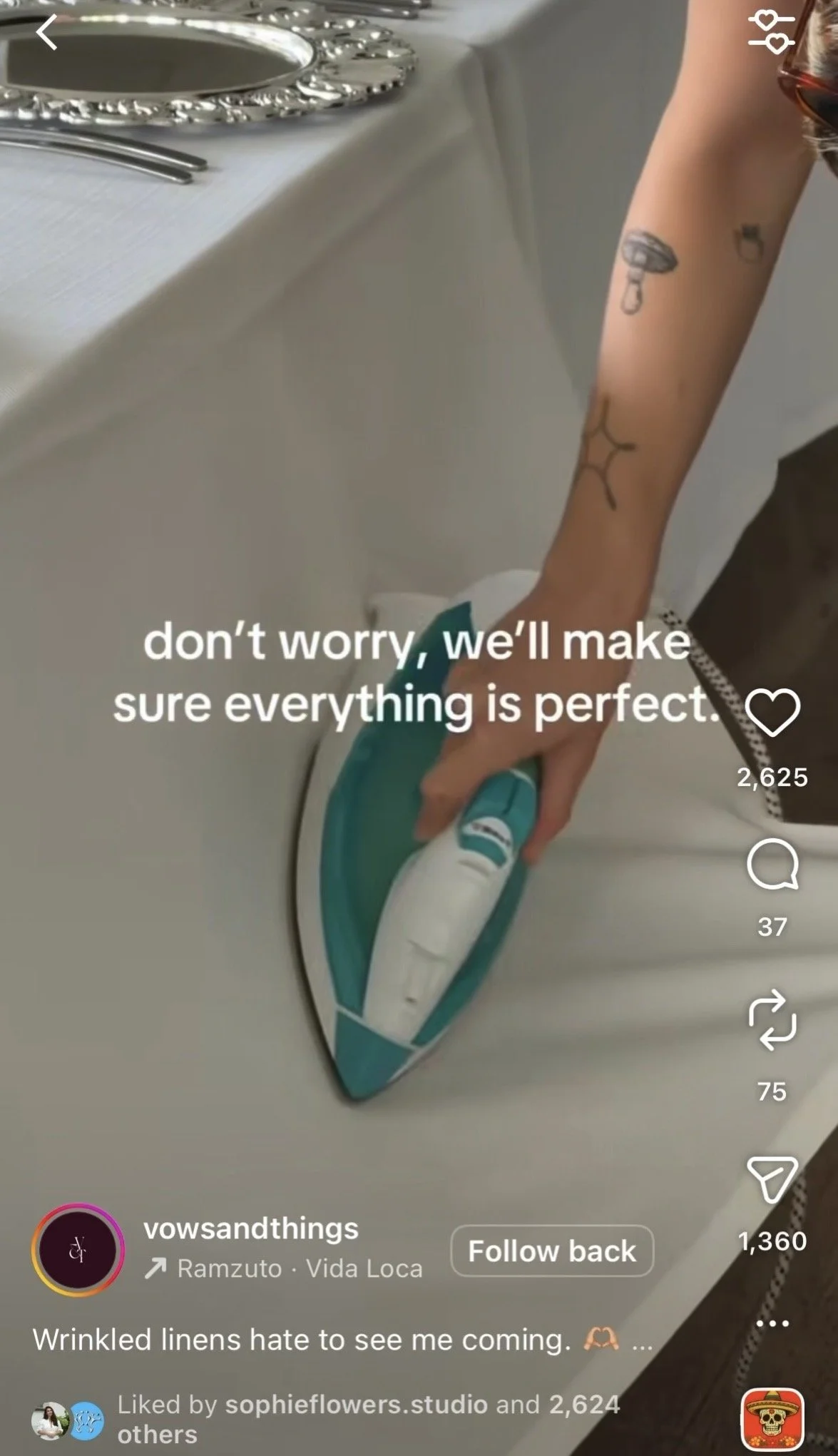
Hook #3: The Reassurance Hook — "Don't worry, we'll make sure everything is perfect"
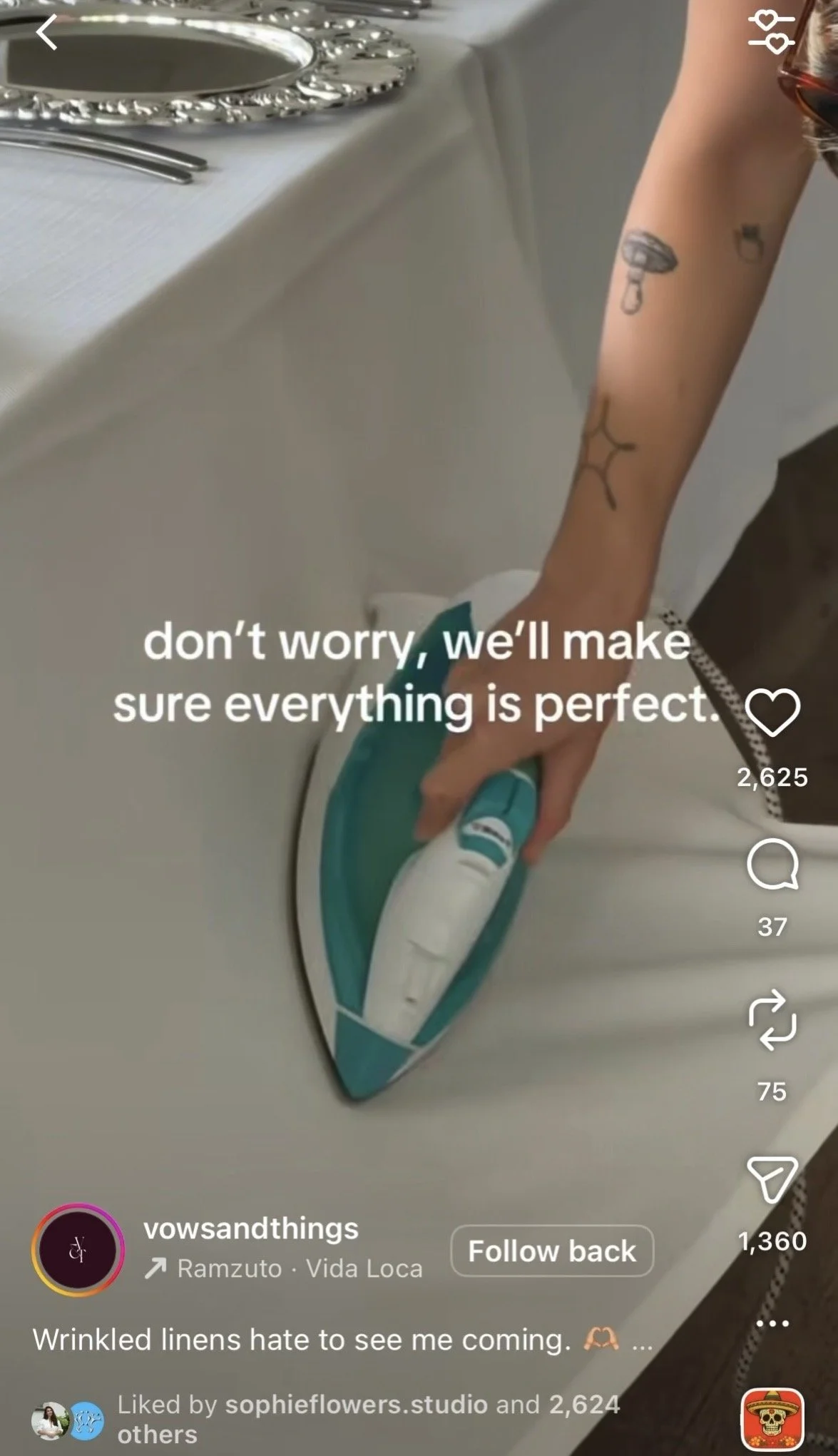
The format: A close-up video of someone ironing a tablecloth — while it's still on the table. Then measuring precisely between the knives, the forks, the chairs. The hook: "Don't worry, we'll make sure everything is perfect." @vowsandthings
Why it works — specificity as proof
This hook is doing something entirely different from the first two. It is not qualifying an identity or triggering cultural recognition. It is providing Visual Proof and it is doing it in the most effective way possible: by showing the obsessive, invisible detail that clients never see but always feel.
The psychology here is rooted in what we call Micro-Emotions of reassurance. The high-spending client particularly in the luxury wedding market carries a specific anxiety: what if something goes wrong that I can't control?
They have spent significant money on this day. They have imagined it for years. The gap between what they've imagined and what might actually happen is a source of real, low-level stress.
When your content shows the tablecloth being ironed on the table and the cutlery being measured to the millimetre, that anxiety dissolves. Not because you've told them you're detail-oriented every vendor says that but because you've shown them a level of care so specific and so quietly obsessive that it can only be real.
This is the "Perfect to Raw" shift working in reverse for the luxury market specifically.
For premium vendors, the shift is not away from perfection, it's toward showing the process of achieving it. The raw, behind-the-scenes obsession that produces the perfect result. That is what builds Visual Trust at the high end of the market.
The hook itself"Don't worry, we'll make sure everything is perfect" is almost understated. It doesn't need to shout because the footage has already made the argument. The words land with quiet confidence, not performance.
How to adapt this for your business:
Think about the thing you do that clients never see — the obsessive, specific, slightly-mad detail that separates your work from everyone else's. Then show it. Don't explain it. Show it.
Photographer: The way you arrive at a venue an hour before the couple to find every natural light source. Film it.
Planner: The handwritten timeline you create for every single supplier call you make in the week before the wedding. Film it.
Florist: The moment you reject a batch of peonies at 6am because the colour is one shade off what was agreed. Film it.
Caterer: The tasting session where you reject four versions of a dish before the fifth is right. Film it.
The formula: show the invisible obsession. Let the hook be quiet confidence. The footage does the work.
The 2026 Data Angle: Visual Trust and the Shift That's Changing Everything
We are in the middle of a fundamental shift in how luxury couples evaluate wedding vendors online and most vendors have not yet caught up with it.
For years, the formula was simple: show beautiful work, get beautiful clients. A polished grid, a consistent aesthetic, a highlight reel of your best weddings. This was enough because Visual Trust was built through visual quality alone.
In 2026, that formula still matters but it is no longer sufficient on its own. Because every vendor at every price point now has access to beautiful imagery, beautiful editing, beautiful branding. The visual quality bar has been raised across the board. Which means visual quality alone no longer differentiates you.
What differentiates you now is identity alignment the feeling a potential client gets when they encounter your content that you understand not just how to do your job beautifully, but who they are specifically. That you get their taste, their references, their values, their sense of humour. That working with you would feel like working with someone who just gets it.
The three hooks above all build this kind of trust but through different mechanisms.
The Identity Qualifier does it through exclusion and recognition. The Cultural Signifier does it through shared reference. The Reassurance Hook does it through visible proof of process. Together, they represent the three pillars of Visual Trust in the current market.
Mindset Shift: Stop thinking about your content as a portfolio. Start thinking about it as a conversation with one specific person — your ideal client — who is scrolling at 11pm trying to work out whether they trust you enough to send an enquiry. What does that person need to see, feel, and recognise in the first two seconds to stop scrolling?
Technical Strategy: How to Execute These Hooks
Audio
Audio choice is one of the most underused tools in wedding vendor content. For Identity Qualifier and Cultural Signifier hooks, the audio should reinforce the identity, trending audio that your ideal client would have already saved or shared works particularly well because it creates an additional layer of Brand Match before a single word is read.
For the Reassurance Hook, consider stripped-back, classical, or ambient audio. The contrast between obsessive detail footage and calm, considered audio reinforces the message: we are in control. Nothing here is rushed or chaotic. That contrast is doing emotional work.
The Luxury Layer principle: pair modern, relatable visuals with classical or timeless audio. This combination signals that you operate at a level above the trend cycle, you understand contemporary culture but you're not chasing it. For premium vendors, this is a critical distinction.
Lighting and Visual Quality
Even for "raw" and behind-the-scenes content, lighting matters. Natural light or warm, soft artificial light reads as intentional and considered. Harsh, flat, or fluorescent light reads as accidental and accidental does not build Visual Trust at the luxury end.
For the Reassurance Hook specifically, close-up detail shots work best with shallow depth of field, it keeps the focus on the specific detail and creates a visual language that feels editorial rather than amateur.
The Send-to-Share Ratio
The metric that matters most for organic growth in 2026 is not likes or comments it is saves and shares. Specifically, what percentage of viewers who watch your content send it to someone else.
Saves indicate personal relevance ("I want to come back to this"). Shares indicate identity expression ("this is so me that I need to send it to someone who will understand"). The Identity Qualifier and Cultural Signifier hooks are specifically engineered to drive shares because when someone shares them, they're using your content to say something about themselves to their friends.
For the Reassurance Hook, the primary metric is saves because couples are saving it to show their partner, or to come back to when they're comparing vendors. Both are valuable but for different reasons.
The Luxury Layer: Making Trendy Content Feel Expensive
There is a tension that every premium wedding vendor navigates in their content strategy: how do you participate in trends which by definition are democratic and accessible to everyone while maintaining a brand that feels elevated, exclusive, and worth a premium price?
The answer is not to avoid trends. It is to layer them.
The structure of the hook can be trend-driven — the Identity Qualifier format, the Cultural Signifier, the Reassurance Hook. These formats work because they are psychologically effective, not because they are fashionable. They will keep working long after any specific trend has moved on.
But the content inside the hook like the footage, the audio, the specific references, the language should be entirely and unmistakably yours. Your venues. Your clients. Your level of detail. Your references.
Expert Tip: The vendors who make trend formats feel expensive are the ones who use the format as a container and fill it with content that could only come from them. The hook is the door. What's behind the door is the brand.
A Cultural Signifier hook from a budget wedding vendor references prosecco towers and balloon arches. The same format from a luxury vendor references Luca Guadagnino films and hand-thrown ceramics from a Tuscan artisan. Same psychological mechanism. Completely different brand signal.
Strategic Cheat Sheet
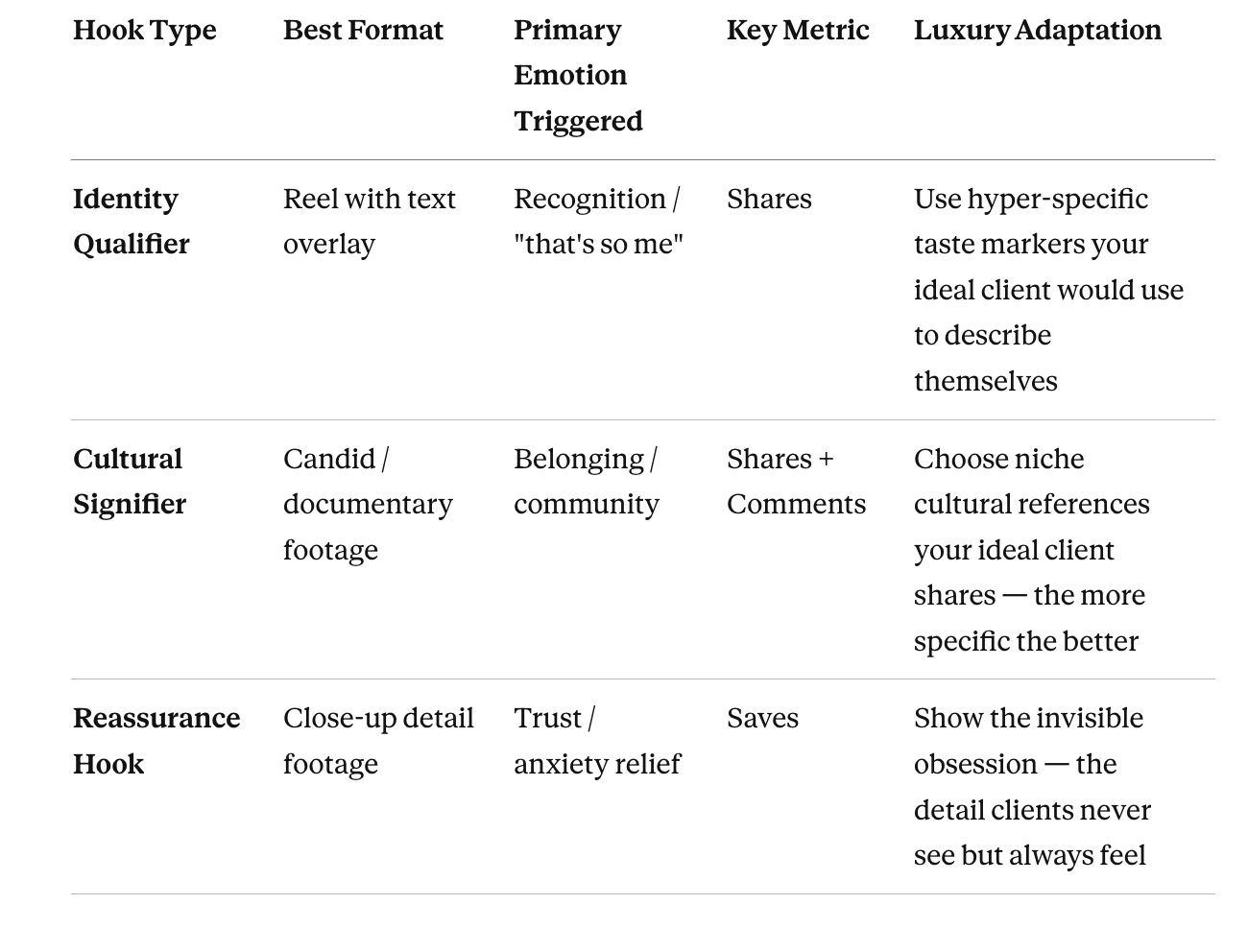
Before you film, ask yourself:
Who specifically is this for and would they feel called out by the first two seconds?
What is the one thing I do that clients never see and can I show it?
Does my audio reinforce or contradict the identity I'm projecting?
Is the gap between my hook promise and my footage zero?
Would someone who isn't my ideal client not quite understand this reference?
The Psychology of the 2026 Couple and Why These Hooks Work on Them
Understanding why these hooks work requires understanding who is watching them.
The couples getting married in 2026 are primarily older Gen Z (born 1997–2004) and younger Millennials (born 1981–1996). These are two generations who have grown up inside content. They have consumed more marketing, more advertising, more branded social media than any previous generation in history. And as a result, they have developed extraordinarily sophisticated filters for inauthenticity.
They can feel, almost instantly, when a brand is performing rather than being. When content is designed to impress rather than connect. When a vendor's social media is a highlight reel rather than a genuine expression of who they are and what they care about.
This is why the "beautiful work" formula alone no longer works. Beautiful work says: look at what I can do.
The hooks above say something different. They say: I see you. I understand what you care about. I know what you find boring and what makes you feel alive. And that distinction is everything.
The Gen Z specific layer: Older Gen Z in particular have a strong and well-documented aversion to content that feels like advertising. They trust peer recommendation, they trust authentic voice, and they trust the specific over the general. A hook that references a niche cultural moment a specific film director, a particular type of wine, a very specific playlist energy reads to them as genuine rather than manufactured. It signals that this vendor is actually a person with a real point of view, not a marketing department.
The Millennial specific layer: Millennials are at peak wedding-spending age in 2026 many are also now attending the weddings of younger siblings and friends, meaning they're in the market as both clients and referrers. They respond strongly to content that combines nostalgia with sophistication references to their cultural touchstones delivered with the polish and confidence of a premium brand. It says: you can grow up and still be yourself.
Both generations share one critical characteristic as buyers: they research extensively before they enquire.
The average luxury wedding couple in 2026 follows a vendor for weeks or months before making contact.
Your content strategy is not just about stopping the scroll, it is about building, over time, the accumulated sense that you are the obvious choice.
Every piece of content is a deposit into that account. The hooks above are some of the highest-yield deposits you can make.
Ready to Attract the Couples You Actually Want to Work With?
The vendors who are attracting and converting high-spending couples consistently in 2026 are not necessarily the most talented in their field.
They are the ones who have built a content strategy around a precise understanding of who their ideal client is, what makes them feel seen, and what builds enough trust for them to send that first message.
These three hook formats are a starting point. But a starting point only takes you so far without the strategy underneath it, the brand positioning, the messaging framework, the deep understanding of your specific client's psychology that makes every piece of content land with the right person.
If you're producing beautiful work and still struggling to attract and convert the high-spending couples you want to be working with, I'd love to hear from you.
I work with wedding professionals to refine their brand, messaging, and sales strategy so they become the obvious choice — not just occasionally, but consistently.
Click here to book a discovery call and let's talk about your brand and marketing strategy to attract and book high-spend couples.